Embarking on your family history journey can be both exciting and rewarding—but let’s not sugar-coat it, it can also feel like trying to solve a puzzle where half the pieces are missing, and the other half have been chewed by the dog!
Genealogy in Northern Ireland comes with its own quirks and challenges, but with the right approach (and perhaps a skilled guide), you can uncover fascinating stories about your ancestors. While the rewards are profound, it’s essential to approach the process with realistic expectations and the right tools to overcome obstacles. Here, I’ll outline the key steps to get started.
Step 1: Begin with What You Know
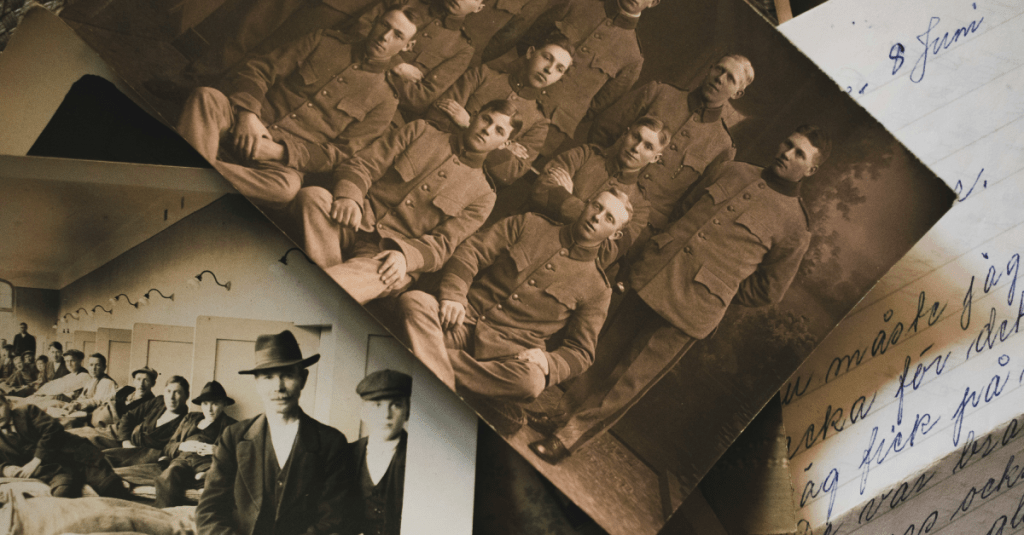
The best way to start is by gathering everything you already know. Raid the attic for old documents, diaries, letters and photographs. Family Bibles often contain handwritten notes of births, marriages, and deaths. Speak to your relatives too; even Great Uncle Joe’s rambling stories about “the good old days” might hold hidden gems of information.
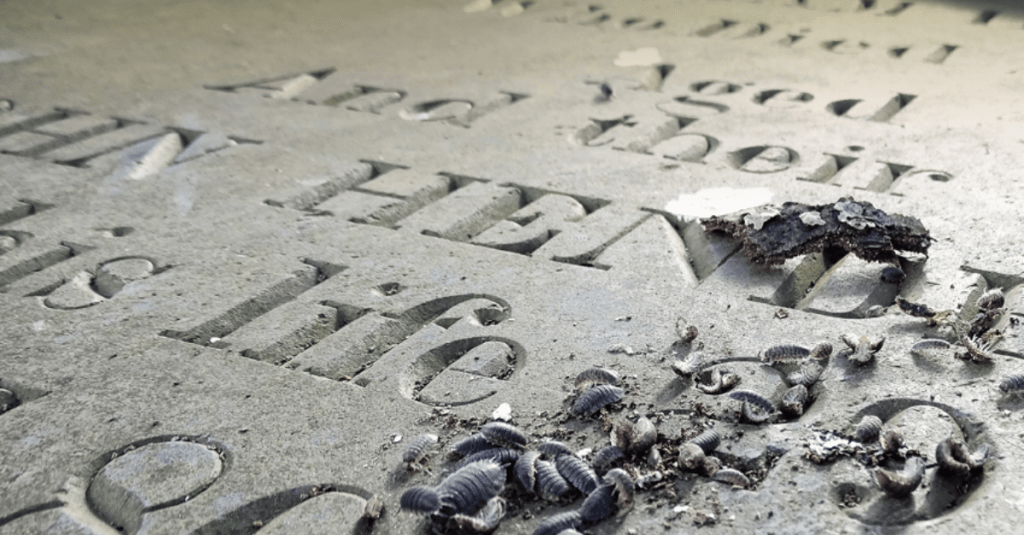
If you know where your relatives were buried visit the grave: headstones can provide a wealth of information. Can’t visit? You may be able to find information on Find A Grave
It’s essential to jot down everything—names, dates, places, and even vague family legends. The smallest clue might open a door later on. And keep things organised from the very beginning in the same place. It’s very easy to lose track if details are jumbled or scattered in various places.
Check for birth, marriage and death certificates on IrishGenealogy.ie. This is a goldmine of a site but be aware that not all records come up in searches. For example I have often had to also check GRONI to find entries which did not appear on this site.
Step 2: Understand the Challenges of Northern Ireland Genealogy
One of the primary difficulties in Northern Ireland research is the absence of many census records readily available to researchers in other parts of the UK. Many Northern Ireland census records have been destroyed, including:
Before 1861: Most records were destroyed during the Irish Civil War in 1922.
1861 and 1871: Original census returns were destroyed shortly after they were taken.
1881 and 1891: Documents were pulped during World War I, likely due to a paper shortage.
1821–1851: The majority of records were destroyed in a fire at the Public Record Office of Ireland in 1922.
1926: Records were likely destroyed during World War II. Some say they were burned as part of a waste-paper campaign.
The only pre-partition (1922) censuses to survive in comprehensive form are the 1901 and 1911 censuses. This loss leaves significant gaps in easily accessible data, but substitute records, many free of charge, can help bridge these gaps. The National Archives of Ireland have however digitised remaining census records and fragments, freely accessible here.
Land valuation records, parish registers, and other resources are often the key to reconstructing family histories.
Navigating these substitutes requires a good understanding of the available resources and how they interconnect. For example, Griffith’s Valuation, a mid-19th-century property tax survey, often serves as a substitute for earlier censuses. Similarly, church records and school registers can reveal family connections otherwise lost to time.
Two other free sites worth a mention are Family Search and if you are researching in the Bann Valley area: Bann Valley Genealogy (although some errors in transcription due to e.g. unfamiliarity with the names of Townlands, still a very useful resource).
Although time consuming to search through and often difficult to decipher, Roman Catholic Birth, Marriage and death records can be found at:Catholic Parish Registers at the NLI This website contains images from the National Library of Irelands’ collection of Catholic parish register microfilms. The registers contain records of baptisms and marriages from the majority of Catholic parishes in Ireland and Northern Ireland up to 1880. Although civil registration of births, marriages and deaths began in 1864, records were not accurately kept for a number of years, so a cut-off date of 1880 was applied for the microfilming of registers and many ancestors who fell through the cracks can be found in here – if you know roughly where to look it helps though!
Naming Traditions
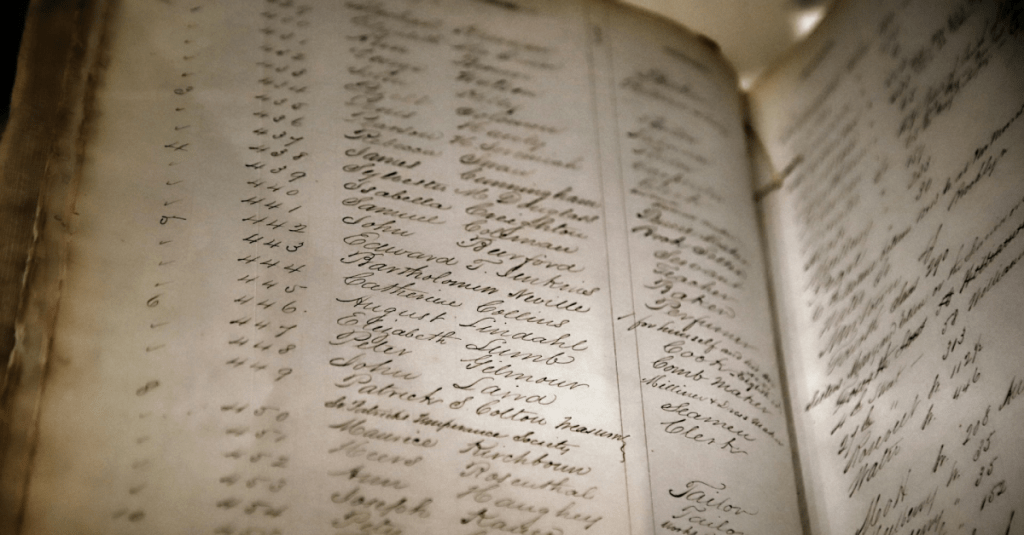
I will do a separate post about names but suffice to say, naming traditions in Northern Ireland can bring their own problems. It wasn’t unusual for people in the same area and even family to have the same names (and nicknames!). Many Roman Catholic registers record the Latin version of a person’s name.
Spelling of surnames could be erratic, with the same person spelling a name in different ways at different times. Add to that the habit of using informal names instead of legal ones, and you’ve got a recipe for confusion. It’s very common for people here to use their second name as a given name – I was in my teens before I found out my own brother’s official Christian name was not the one I’d been using all my life! My great Aunt was always known as Cissy – her real name? Martha! My Uncle Ian? Christened John, not a hint of Ian on his birth certificate….
If someone had a scrape with the Law, they could simply move and change their name. It’s not uncommon to find rogues with various aliases!
One of my ancestors remarried shortly after the death of his first wife, and changed his name from Dempsey to Dempster when they moved from Northern Ireland to Glasgow soon afterwards. Why? No idea as yet! It wasn’t uncommon to drop a Mc or an O from in front of a surname, but to change the ending, perhaps to sound less Irish?… Nowt as funny as folk!
And ages? Let’s just say they were… flexible. Before the 1900s, most working people didn’t celebrate birthdays, and many didn’t even know their exact age. Some plain lied, especially to get work, married or into the army for example. Add to this, if a child died the next child of that sex could be given the same name, so you may be faced with a head scratching age discrepancy caused by this fact, especially if around that hazy period of compulsory civil registration bedding in .
So don’t be too surprised if your great-great-grandfather’s age jumps by a decade between one record and the next!
Step 3: Leverage Reliable Resources
Modern technology has revolutionized genealogy, with platforms like Ancestry and FindMyPast offering convenient access to digitized records. However, online research often provides only part of the story and subscriptions can be expensive.
For Northern Ireland, in-person access to repositories like the Public Record Office of Northern Ireland (PRONI) is often necessary for more comprehensive results. PRONI’s collections include wills, land records, and historical newspapers that may not be available elsewhere. Many are now digitised and the PRONI catalogue is improving all the time. Many records however remain as in-person access. You can find out more about PRONI collections here.
Step 4: Stay Patient (and a Little Creative)
Genealogy requires patience. You’ll hit roadblocks, and some mysteries might never be solved. But creativity often pays off. For example, if a direct line goes cold, try tracing siblings or even cousins. Sometimes their records hold the key to unlocking your own family’s story.
Also, be prepared for surprises. Not all family tales turn out to be true, and not all ancestors were saints. Whether you find a hero or a rascal, remember that every discovery adds richness to your understanding of your roots.

 Ulster Origins
Leave a comment